A pest problem rarely begins with a swarm or a scurry in broad daylight. It starts with a few ants exploring a countertop seam, a thin smear of droppings behind the stove, a wasp queen scouting eaves in early spring. By the time someone types “exterminator near me” in a panic, the infestation has often built for weeks. Recurring exterminator service flips that script. Instead of racing to catch up, you stay a step ahead, season after season.
I have walked crawl spaces that smelled of old moisture and mouse urine, attics padded with bat guano, and restaurants where a single German cockroach behind a gasket told me there were fifty more in the walls. The difference between fighting fires and preventing them is not only cost and convenience. It is the difference between stress and a predictable, safer routine.
Why recurring service works better than one-time treatments
Pests are relentless because biology is relentless. Ant colonies bud and move when disrupted. Mice breed every six to eight weeks under favorable conditions. Bed bugs hitch rides and wait months between blood meals. A one-time exterminator treatment can knock down what you see, but pest pressure often returns as food sources, moisture, and entry points stay the same.
Recurring exterminator services, sometimes sold as monthly or quarterly plans, create continuity. An experienced exterminator uses the previous visit’s notes to refine the next visit. You are not starting over with a new technician and a fresh guess. You are building an ongoing defense, guided by data from your property and the local climate.
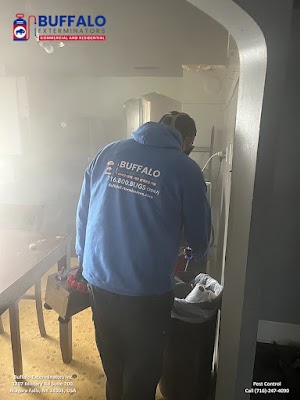
Most professional exterminator programs draw on integrated pest management, or IPM. Despite the jargon, IPM boils down to this: monitor, prevent, and only escalate chemical controls when needed. That looks like sealing gaps around utility penetrations, adjusting door sweeps, trimming vegetation around foundations, and placing targeted baits or monitors. It is less glamorous than a dramatic fogging, and far more effective over time.
Seasonality: pests move with weather, so your plan should too
If you live in a temperate climate, there is a rhythm. Early spring brings ant scouts and wasp queens. Late spring to summer is peak for flies, mosquitoes, and pantry pests that ride in on bulk grains. Late summer to fall is rodent migration toward warmth. Winter hides cockroaches in motor housings and water heater closets. Coastal markets add termite swarm seasons and year-round mosquitoes, while arid regions trade them for scorpions and occasional roof rats near irrigated landscapes.
A recurring exterminator service schedules inspections and treatments around that rhythm. In March, a local exterminator may focus on exterior perimeter barriers, granule baiting along ant trails, and eave inspections for paper wasp nest starts. In September, they pivot to exclusion work for rodents, checking attic vents for gnaw marks and refreshing bait stations along fence lines. The timing changes by region, but the logic is the same. You prepare for the next wave, not the last one.
What a professional visit actually includes
I have seen expectations misaligned. Some clients think a technician waves a wand and pests evaporate. Others imagine harsh sprays in every room. A professional exterminator should take time to explain what they are doing, where, and why.
A typical recurring service visit might include the following steps:
- Review notes from the last service, ask about new sightings, and inspect hotspots such as kitchens, mechanical rooms, and baseboards behind appliances. Move to the exterior, check foundation and siding seams, look under decks, lift irrigation valve covers, and refresh exterior bait or monitoring stations. Apply targeted treatments: gel baits in cockroach harborages, residual sprays at exterior entry points, dusts in voids like wall outlets or attics, and non-repellent barriers for ants. Perform exclusion: seal pencil-width gaps mice can use, adjust door sweeps, install screens on fresh air vents, and recommend repairs beyond a technician’s scope. Document findings and next steps in writing, including species identified, product names and active ingredients used, and timing for follow-up.
Frequency depends on pest pressure. Homes with light issues might do quarterly. Restaurants with heavy foot traffic and food waste often require monthly or even biweekly touchpoints, especially if roaches or small flies have established.
Cost, value, and how to avoid paying for fluff
Exterminator cost varies widely because buildings vary widely. A one-time general pest service in a small single-family home might range from the low hundreds. Ongoing quarterly plans can land in the mid-hundreds per year, moving upward with square footage, complexity, and pest type. Bed bug exterminator jobs and termite exterminator treatments sit in their own league because they demand specialized methods, from heat and encasements to wood treatments and trenching.
If a quote feels too cheap, ask what is included. The difference between an affordable exterminator and a cheap exterminator is usually the time on site and the thoroughness of inspection and exclusion. Ten minutes and a quick spray line at the foundation is not the same as a 60 to 90 minute visit that identifies conducive conditions and corrects them. A certified exterminator should be transparent about products, warranty terms, and what happens if pests pop up between visits. A guaranteed exterminator will state whether callbacks are free within a certain window.
For businesses, do not chase the lowest exterminator price blindly. Health department inspections are unforgiving. A reliable exterminator with strong documentation habits can save a restaurant or warehouse far more than a bargain service that does not catch trends early.
Emergency calls still matter, but they should be rare
Good preventative work reduces the need for a 24 hour exterminator. That said, there are times you do not wait. A wasp nest over a daycare door, a rat sighting in a dining room an hour before service, a bed bug confirmation in a multi-unit building, or a bat in a retail space are “stop what you are doing” moments. A company that offers emergency exterminator or same day exterminator response is valuable, but recurring clients should not rely on that as the main strategy.
A property with tight exclusion, accurate monitoring, and educated staff catches small issues early. Someone in the break room knows to snap a photo of droppings and call the office. Front-of-house staff in a cafe are trained to check drains for small flies and wipe down soda fountain drip trays daily. These habits, paired with a steady exterminator service, keep emergencies to a minimum.
Residential vs. Commercial needs
Homes and apartments share pests, but the drivers differ. In a home, a pet’s food bowl and a leaky P-trap can nurture ants and silverfish. In an apartment building, pests travel through pipe chases and under doors, so a single clean unit can inherit its neighbor’s roaches. That is why a building-wide plan is often necessary. An apartment exterminator should coordinate with management for access and consistent scheduling.
Commercial spaces add regulatory pressure and unique harborages. A restaurant exterminator pays attention to compressor housings on reach-in coolers, the void under the bed bug exterminator Niagara Falls cook line, and the clogged floor drain that breeds phorid or drain flies. A warehouse exterminator will map rodent station lines by dock doors and under pallet racking, and may coordinate with a bird removal exterminator if starlings or pigeons are nesting in the rafters. An office exterminator sometimes fights pantry moths from employee snack bins, and a retail store may need a carpet beetle exterminator if natural fiber displays attract them.
Industrial exterminator work often adds safety requirements, like lockout-tagout in production areas and careful selection of products that meet a facility’s QA standards. A licensed exterminator should be able to provide Safety Data Sheets and document compliance.
The case for eco-focused and pet-safe methods
Clients frequently ask about an eco friendly exterminator, and the request is reasonable. Smart pest control is already conservative with pesticides. Green exterminator approaches use physical controls like sealing and trapping, choose baits and targeted formulations over broad sprays, and prioritize products with favorable safety profiles when applied correctly.
Pet safe exterminator and child safe exterminator practices are about placement and timing. Gel baits go in cracks and crevices where paws and small hands cannot reach. Exterior granular baits are applied when pets are indoors and watered in to reduce exposure. Rodent stations should be tamper resistant, anchored, and locked. For severe infestations, a professional may recommend temporary relocation during treatment or venting times. Ask for product labels and follow reentry times exactly.
Organic exterminator marketing can be fuzzy. Many so-called organic products still require care and training to use effectively. The right question is not only “Is it organic?” but “Is it the least-risk option that will actually solve the problem?”
Picking the right company: what to ask before you sign
You can search “best exterminator” all day and read exterminator reviews until your eyes blur, but a 10-minute conversation often tells you more. Look for an experienced exterminator who is comfortable naming target pests, explaining probable harborages on your property, and describing a plan that changes by season. Local exterminator experience matters because pests are regional. A technician who has handled roof rats in Spanish tile neighborhoods or odorous house ants in coastal air will catch things a generalist might miss.
Here is a short checklist I give friends who ask how to hire:
- Are they a licensed and, when applicable, certified exterminator in your state, and can they share license numbers on request? Will the same technician or small team handle your account to build history, or are you getting a random rotation? What does the recurring exterminator service include month to month, how are callbacks handled, and what is excluded from the warranty? How do they document each visit, including species identified, device maps, and recommendations for sanitation or exclusion? What is their approach to IPM, including non-chemical prevention, and how do they protect pets, children, and sensitive equipment?
A good extermination company is not defensive when you ask these. They will welcome the questions and often have sample reports and labels ready.
Inside specific pest problems and how recurring service tackles them
Rodents: A mouse exterminator or rat exterminator thinks in three zones: outside pressure, building envelope, and interior harborages. On a recurring plan, exterior stations catch migration data, exclusion seals new gaps, and interior traps are adjusted as patterns emerge. Expect the first 2 to 4 weeks to do the heavy lifting, with follow-up tightening the perimeter.
Cockroaches: A roach exterminator or cockroach exterminator focuses on sanitation, harborage reduction, and non-repellent baits and sprays. In commercial kitchens, gaskets, hinges, and equipment feet act as roach condos. On recurring visits, baits are rotated to avoid resistance, and monitors track population shifts. If you still see daytime roaches after multiple visits, something is feeding them that you have not addressed.
Ants: The ant exterminator approach is surgical. Repellent sprays near ant trails can make them split colonies. Non-repellent barriers and sweet or protein baits timed to the colony’s seasonal needs work better. A quarterly program aligns with ant cycles, preventing the spring rush and late-summer house invasions after drought.
Termites: Termite exterminator work is structured as its own contract, often with soil treatments, bait systems, or localized wood treatments. Recurring inspection is critical. An annual inspection tied to a warranty forces a trained set of eyes to keep looking for mud tubes, wing piles, and wood damage, which is how you avoid surprises that cost five figures.
Bed bugs: A bed bug exterminator uses careful inspection, encasements, heat or steam, and targeted insecticides. Recurring service here means diligent follow-up inspections at 10 to 14 day intervals until no new evidence appears. Multi-unit buildings need coordination to avoid ping-pong reinfestation between units.
Stingers and biters: A wasp exterminator removes nests early and discourages rebuilding, a bee exterminator refers honeybee removals to specialists when feasible, and a hornet exterminator inspects trees and soffits during building months. A mosquito exterminator maps standing water, treats with larvicides when allowed, and recommends drainage changes. These are seasonal chores that fit well in a recurring plan.
Creepers and crawlers: A spider exterminator reduces clutter and exterior lighting that attracts prey, then treats resting sites. Silverfish and earwig exterminators focus on moisture control, fixes to leaks, and crack-and-crevice treatments. If moths or pantry pests show up, a pantry pest exterminator will identify the source product, discard it, and set pheromone traps. The same measured rhythm applies to fleas, ticks, centipedes, millipedes, carpet beetles, gnats, and similar visitors.
Wildlife: When a raccoon exterminator or squirrel exterminator is needed, it is more accurate to call it wildlife control. Trapping and exclusion are the backbone. A recurring plan might include seasonal attic inspections, screen checks, and chimney cap evaluations. Skunk, opossum, bat exterminator, bird removal exterminator, and snake exterminator work all revolve around exclusion, sanitation, and habitat changes. For wildlife, local laws dictate methods and release, so hire someone who knows the rules and carries the right permits.
What you, the client, can do between visits
The best exterminator cannot outwork a building that keeps inviting pests back. Tidy does not mean sterile. It means removing easy meals and blocking easy doors. Fix a dripping hose bib that bleeds into the foundation bed. Store grains, pet food, and baking supplies in sealed containers, not open paper bags. Address door sweeps that leave a quarter-inch daylight. Ventilate the crawl space or install a vapor barrier if humidity spikes. These unglamorous tasks break pest lifelines.
I once managed a warehouse that fought roof rats for months. We tightened bait line spacing, sealed vent gaps, and still found droppings. The final breakthrough was as simple as convincing the night crew to close dock doors during breaks. The rats had learned the schedule. After that policy change and a week of monitoring, activity cratered. Technician skill matters, but operations matter just as much.
Documentation and measuring success
A recurring exterminator service should produce evidence beyond fewer pests. You should get service reports that name species, show trends, and recommend corrective actions. In commercial accounts, device maps with station counts and captures by location can show whether a dock door is a hot spot or if a new tenant introduced pantry moths.
Give it time. For general pests, you should see a strong improvement within one or two service cycles, and stability after that. For severe infestations, expect a structured reduction curve, not a miracle. If three months pass with no measurable progress, raise it. A professional exterminator will adjust, escalate, or bring in a specialist from within the exterminator company. Stubborn problems often respond to a second set of eyes.
Safety, access, and preparation
Technicians work faster and smarter when they can access what they need. Clear the area under sinks, pull small items from against baseboards in target rooms, and trim shrubs back from foundation lines. Keep pets secured until the technician confirms reentry is safe. When dusts or aerosols are used, reentry times vary by product. Follow the label instructions the technician provides. Ask them to mark or map any bait or monitoring devices so you can avoid disturbing them.
If you are sensitive to odors or have high-risk individuals at home, tell the technician ahead of time. Many products are low odor, but communication lets them choose the mildest effective option and plan ventilation as needed.
How to think about warranties
“Guaranteed exterminator” language sounds comforting, but read the details. A warranty on a roach job often requires adequate sanitation. A rodent warranty might exclude gnaw damage repairs that predate the contract, or limit coverage to interior sightings if exterior exclusion recommendations were declined. These conditions are not traps. They reflect the practical reality that pest control is a partnership. When you uphold your side, the warranty becomes worth something.
For termites, warranties are a big deal. Some offer retreatment only, others include damage repair up to a set limit. The price difference between those tiers makes sense when you compare the potential cost of structural repairs. Know what you are buying.
Finding the right “exterminator near me” without getting lost in ads
Search results are noisy, and sponsored listings do not guarantee quality. Shortlist three companies. Check licensure on your state’s regulatory site. Read recent exterminator reviews for themes, not just stars. Call and ask the five questions from the checklist above. Notice how they handle scheduling, whether they offer a real exterminator consultation, and whether they propose a plan that fits your property rather than a generic package.
Local matters. A local exterminator knows the neighborhood’s construction styles, the common entry points for the area’s rodents, and the termite species you actually have. Big brands can be excellent too, especially if they have long-tenured technicians in your zip code. What you want is a person, not just a logo, who understands your building and keeps showing up.
When recurring service is not the answer
There are edge cases. A one time exterminator visit can be fine for a clean, sealed condo with an isolated ant trail after a heavy rain. A vacant property that is about to be remodeled may not need months of service until after new tenants move in. If you travel constantly and suspect bed bugs but have no findings, a detailed inspection and a few passive monitors might beat a contract. A conscientious expert exterminator will say so and earn your trust.
But if you have food, water, warmth, and regular traffic, which describes most homes and nearly all businesses, recurring service usually pays for itself. Fewer product losses, fewer staff distractions, reduced risk of fines or poor health inspections, and less anxiety are all real returns.
The bottom line
Pest control is not a one-time event. Nature keeps sending scouts, and buildings keep offering them ways in. A well-planned recurring exterminator service, led by a licensed exterminator who knows your area, handles the quiet, uncelebrated work that keeps you out of trouble. You trade a cycle of panicked calls for a calendar of preventive care. You stop reacting, and you start managing.
If you are weighing options, talk to two or three providers, ask specific questions, and choose the one who explains their plan in plain language. Whether you need a pest exterminator for a ranch house, a commercial exterminator for a busy kitchen, or a warehouse exterminator to tame a loading dock, the right partner will help you stay ahead of infestations rather than chasing them. And while emergencies will still happen, they will be the exception, not the rule.